

Top 10 Places to Visit in Dhanushkodi — The Complete 2025 Travel Guide
Introduction
If you are searching for the best places to visit Dhanushkodi, you’re about to uncover a destination where mystery meets divinity. Located near Rameswaram in Tamil Nadu, Dhanushkodi is famous for its surreal landscapes, ruined temples, and the point where the Bay of Bengal meets the Indian Ocean. In this complete 2025 travel guide, Ayodhya Cab Services brings you a journey through the top attractions, travel tips, and secrets that make Dhanushkodi an unforgettable experience. Whether you’re a history lover or a wanderer, this blog will guide you through every wonder of this “Ghost Town of India.”
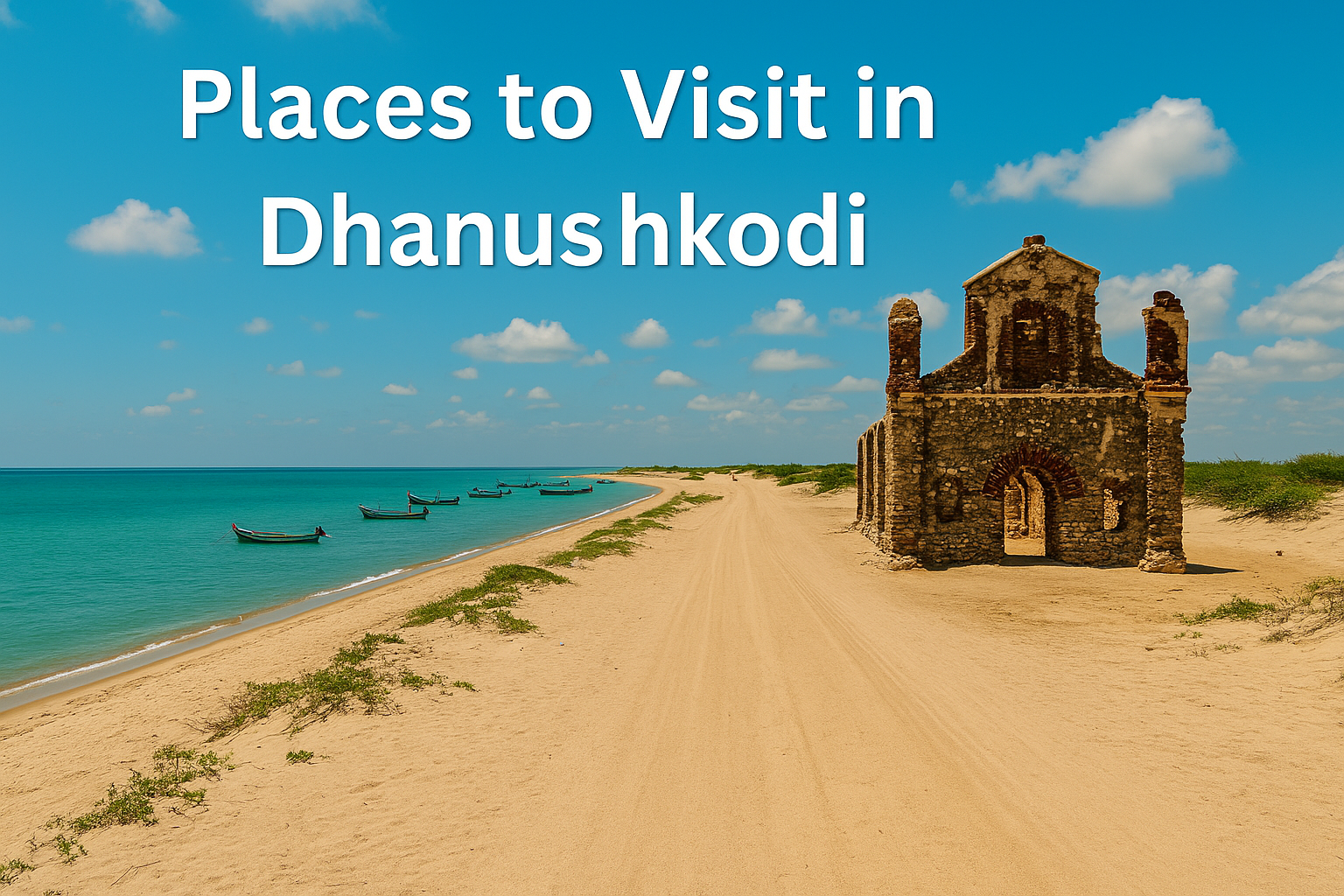
Breathtaking coastal beauty of Dhanushkodi, Tamil Nadu — explore the top places with Ayodhya Cab Services.
What are the best attractions in Dhanushkodi for 2025 travellers?
Dhanushkodi offers incredible attractions such as the Old Church Ruins, Ramar Patham Temple, Arichal Munai Beach, and the meeting point of the two seas. Ayodhya Cab Services provides reliable cab rides from Rameswaram to explore these spots comfortably. Every corner of this town tells a story of faith and resilience — from the Ramayana-era bridge to the hauntingly beautiful remains of the 1964 cyclone.
How to plan a day trip to Dhanushkodi from Rameswaram?
Planning a day trip is easy with Ayodhya Cab Services. Start early morning from Rameswaram to reach Dhanushkodi by sunrise. Cover popular spots like Pamban Bridge, Ramar Patham, and Old Church before heading to Arichal Munai. The total distance is about 20 km and can be covered comfortably in a few hours with scenic views along the coastline. A well-planned trip ensures you don’t miss any major attraction.
Which historic ruins can you explore in Dhanushkodi?
The historic ruins of the Old Church, Post Office, and Railway Station offer a glimpse into the town that once thrived before the 1964 cyclone. These ruins symbolize the power of nature and the faith of people who once lived here. Ayodhya Cab Services often takes visitors on guided tours so they can understand the historical importance behind every brick and pillar.
When is the ideal time to visit Dhanushkodi for sightseeing?
The best time to visit Dhanushkodi is from October to March when the weather is pleasant and safe for travel. During these months, the clear sky and calm tides make it perfect for photography and spiritual exploration. Avoid monsoon season as the sea can be rough. Book your ride with Ayodhya Cab Services in advance to enjoy a comfortable journey without worrying about the weather.
How to reach Dhanushkodi by road, train or jeep?
You can reach Dhanushkodi via road from Rameswaram by cab, jeep, or private vehicle. The nearest railway station is Rameswaram Junction, connected to major cities like Madurai and Chennai. Ayodhya Cab Services offers pickup from the station and safe rides to the tip of Dhanushkodi. The last stretch near Arichal Munai is particularly beautiful and accessible only by road.
What myths and legends are associated with Dhanushkodi?
According to the Ramayana, Lord Rama built the Ram Setu Bridge from Dhanushkodi to Sri Lanka with the help of the Vanar Sena. The name “Dhanushkodi” means “end of the bow,” referring to Lord Rama’s bow. Ayodhya Cab Services guides devotees and history enthusiasts to these mythological sites to experience India’s epic heritage firsthand.
Where to watch sunrise and sunset at Dhanushkodi?
Dhanushkodi is among the few places where you can witness both sunrise and sunset over the sea. Arichal Munai and Dhanushkodi Beach are ideal spots for this spectacle. Ayodhya Cab Services can arrange a custom trip timed perfectly for these magical moments, offering a photographer’s paradise and a spiritual retreat.
What wildlife and birds can you see in Dhanushkodi area?
The Dhanushkodi lagoon and its surroundings are home to migratory birds such as flamingos and egrets. This region was recently declared a flamingo sanctuary. Nature lovers can explore these spots comfortably with Ayodhya Cab Services, which offers eco-friendly tours combining sightseeing and wildlife observation.
Are there entry fees or permits for Dhanushkodi attractions?
No major entry fees are required for Dhanushkodi attractions, but some local spots may charge a small parking fee. Ayodhya Cab Services keeps you informed about current permit rules and restricted areas so you can enjoy a hassle-free trip to every destination.
Safety tips and things to carry when visiting Dhanushkodi?
Carry water, snacks, sunscreen, and a hat since there are few shops in the area. Avoid venturing too close to the sea during high tides. With Ayodhya Cab Services, you’ll have a local driver who knows safe routes and timings to keep your journey secure.
Is Dhanushkodi open for visitors all year round?
Yes, it remains open throughout the year, but weather conditions can affect road access. The ideal months remain October to March. Ayodhya Cab Services provides real-time updates and safe vehicles to travel even during off-season visits.
Can you stay overnight in Dhanushkodi village?
Currently, there are no major hotels in Dhanushkodi itself. Travelers usually stay in Rameswaram and take a day trip. Ayodhya Cab Services offers round-trip packages so you can enjoy the beauty of Dhanushkodi and return comfortably to your stay by evening.
What ruins remain after the 1964 cyclone in Dhanushkodi?
The cyclone destroyed the entire town, leaving behind the Old Church, railway station, and school walls. These ruins are now major tourist spots. Ayodhya Cab Services ensures you cover these locations safely while learning their tragic history.
Which beach meets Bay of Bengal and Indian Ocean in Dhanushkodi?
Arichal Munai is the point where the two seas meet — a sight every traveler must see. The waters here are uniquely colored and symbolize the union of cultures and faiths. Ayodhya Cab Services organizes special trips to this iconic beach with expert guides for an insightful experience.
Where is Arichal Munai and why visit it?
Located just 20 km from Rameswaram, Arichal Munai marks the southernmost tip of India’s mainland. It’s renowned for its serenity and spiritual significance. With Ayodhya Cab Services, you can enjoy this drive along the coast and witness the place believed to be where Lord Rama began his bridge to Lanka.
How safe is travel to Dhanushkodi in monsoon season?
During the monsoon (July–September), strong winds and high waves may restrict travel. It’s advised to check weather updates before planning. Ayodhya Cab Services monitors conditions and reschedules rides to ensure passenger safety.
What is Dhanushkodi Tirtham and its significance?
Dhanushkodi Tirtham is a holy bathing spot where pilgrims take a dip to purify their souls before visiting Rameswaram Temple. Ayodhya Cab Services arranges comfortable transport for devotees seeking this spiritual experience in 2025.
Which temple survived the 1964 Dhanushkodi disaster?
The Ramar Patham Temple stood strong even after the cyclone. It offers a panoramic view of Dhanushkodi and Rameswaram. Pilgrims can book their cab through Ayodhya Cab Services to visit this sacred spot and witness the resilience of faith.
What is the distance from Rameswaram to Dhanushkodi & travel time?
The distance is around 20 kilometers and takes roughly 30–40 minutes by car. Ayodhya Cab Services offers round trip bookings and custom tour packages so travelers can explore comfortably without worrying about timing or parking.
Are there guides or permits required in Dhanushkodi?
Generally, no special permits are needed for visitors. However, some restricted zones might require local permission. Ayodhya Cab Services connects travelers with authorized local guides to enhance the experience and avoid any restrictions.
Conclusion
Dhanushkodi is a place where history, mythology, and nature unite. From its ancient temples to its haunting ruins, every corner offers a story worth exploring. With Ayodhya Cab Services, your journey to the top places to visit Dhanushkodi becomes safe, comfortable, and truly memorable. Plan your 2025 trip today and witness the miracle where the two seas meet the divine.

