
DLI vs NDLS: What’s the Difference Between Delhi and New Delhi Railway Station?
Introduction
DLI vs NDLS Difference is one of the most common questions travelers search before booking train tickets to Delhi. Many passengers become confused when they see DLI and NDLS printed on railway tickets because both stations are located in Delhi but serve different purposes. Understanding the difference between Delhi Junction and New Delhi Railway Station can help travelers avoid mistakes, reach the correct station on time, and plan their journey more efficiently.
Delhi is one of India’s busiest railway hubs. Every day, thousands of trains arrive and depart from different stations across the city. Because several railway stations serve the National Capital Region, first-time visitors often struggle to understand station codes, train routes, and boarding locations. This confusion becomes even greater when tickets display DLI or NDLS without explaining what those codes mean.
Whether you are traveling for business, tourism, education, or family visits, knowing the difference between these stations can save valuable time. In this detailed guide, we will explore Delhi Junction vs New Delhi Railway Station, station facilities, train connectivity, nearby metro access, distance between stations, and practical travel tips every passenger should know.
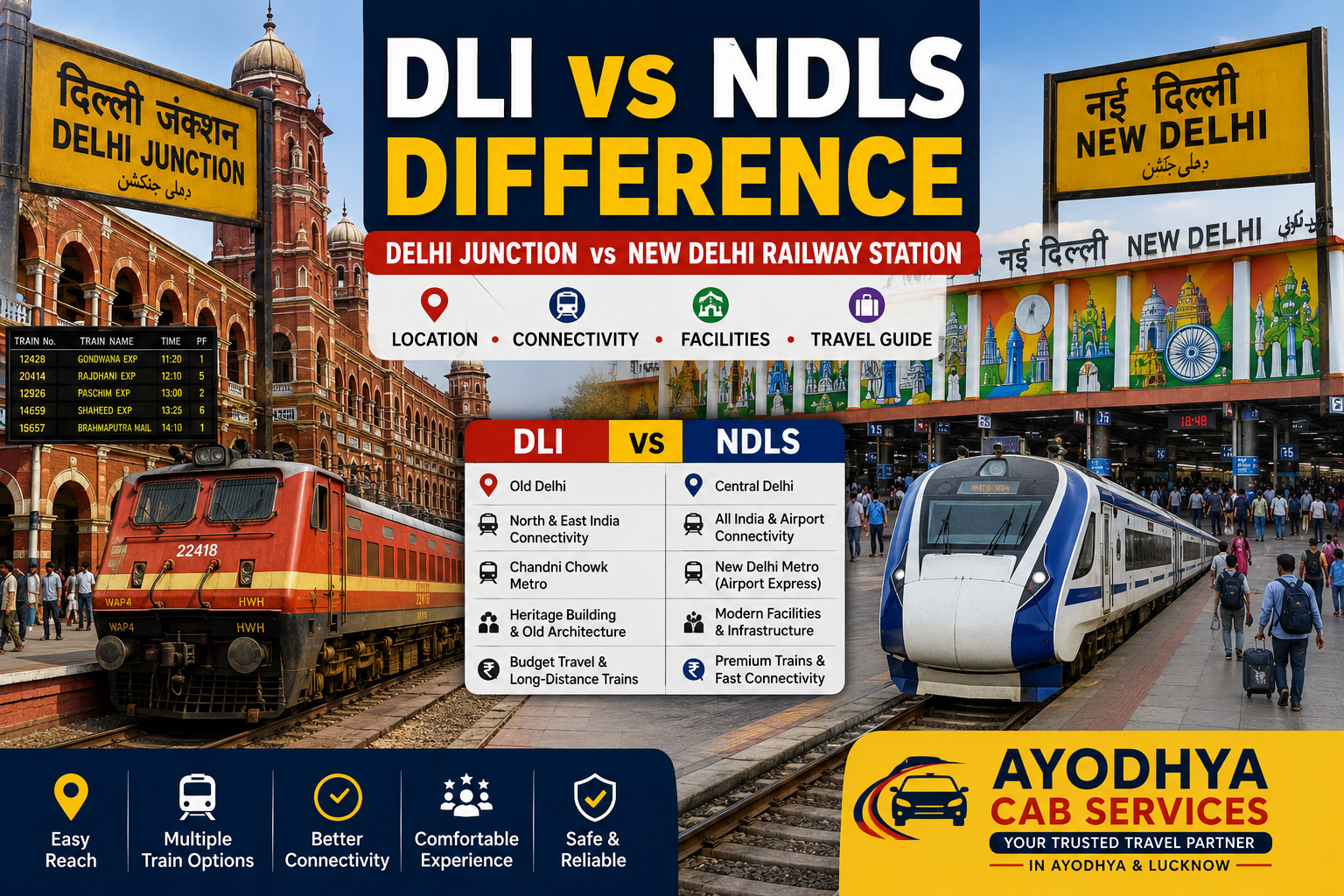
DLI vs NDLS Difference explained through a detailed comparison of Delhi Junction and New Delhi Railway Station covering location, facilities, connectivity, and passenger convenience.
DLI vs NDLS: Understanding the Railway Station Codes
Many travelers assume DLI and NDLS refer to the same station. However, these are two separate railway stations located in different parts of Delhi. DLI stands for Delhi Junction Railway Station, while NDLS represents New Delhi Railway Station. Both stations play important roles within the Indian Railways network, yet they serve different train routes and passenger requirements.
Delhi Junction is one of the oldest railway stations in India and has historical significance dating back many decades. The station continues handling a large number of trains connecting Delhi with northern and eastern regions of the country. On the other hand, New Delhi Railway Station is considered one of the busiest stations in India. It serves numerous premium trains, long-distance routes, and important rail corridors connecting major cities across the country.
The distinction between these two stations becomes important when booking train tickets. Passengers occasionally arrive at the wrong station because they fail to notice the station code on their ticket. Such mistakes can lead to missed trains, unnecessary travel expenses, and avoidable stress. Therefore, understanding these codes before departure is extremely important.
Travel planning becomes much easier once passengers learn how Indian Railways uses station codes. Instead of relying solely on station names, travelers should always verify whether their ticket mentions DLI or NDLS before beginning their journey.
Difference Between Delhi Junction and New Delhi Railway Station
The difference between Delhi Junction and New Delhi Railway Station extends beyond their names. These stations differ in terms of location, train operations, passenger traffic, facilities, and connectivity. Although both stations are situated within Delhi, they cater to different sections of the railway network.
Delhi Junction, commonly known as Old Delhi Railway Station, is located near Chandni Chowk. The station serves numerous trains connecting Delhi to states such as Uttar Pradesh, Punjab, Haryana, Rajasthan, Bihar, and West Bengal. Its historical architecture and strategic location near Old Delhi markets make it a recognizable landmark.
New Delhi Railway Station occupies a more central position and functions as one of India’s busiest transportation hubs. The station handles several Rajdhani, Shatabdi, Vande Bharat, and long-distance express trains. Because of its central location, NDLS offers excellent connectivity through metro networks, taxis, buses, and other transportation options.
Passengers traveling to major metropolitan cities frequently depart from NDLS because many premium services originate there. Meanwhile, Delhi Junction remains important for regional and long-distance travel across northern India. Understanding these operational differences helps passengers choose routes more effectively and avoid confusion during travel planning.
DLI Full Form and NDLS Full Form Explained
Travelers often search for DLI full form and NDLS full form when reading train schedules or checking railway tickets online. Understanding these abbreviations helps eliminate confusion and improves travel planning.
DLI stands for Delhi Junction Railway Station. The station is commonly referred to as Old Delhi Railway Station because of its location within the historic section of the city. It remains one of India’s oldest and most significant railway stations, serving millions of passengers annually.
NDLS stands for New Delhi Railway Station. Located near Connaught Place and central Delhi, this station acts as a major transportation hub connecting numerous regions across India. Because of its strategic location and extensive train network, NDLS handles a large share of passenger traffic entering and leaving Delhi.
Station codes simplify railway operations and help travelers identify boarding points quickly. However, passengers unfamiliar with Delhi often mistake one code for the other. Learning these abbreviations before travel reduces the risk of arriving at the wrong station and ensures a smoother journey.
Which Is Better: DLI or NDLS?
One of the most frequently searched questions is whether DLI or NDLS is better. The answer depends entirely on travel requirements, destination routes, and personal convenience. Neither station is universally better because each serves specific purposes within the railway network.
Passengers seeking premium trains, faster city access, and broader transportation options often prefer New Delhi Railway Station. Its central location and excellent metro connectivity make it particularly convenient for travelers visiting major commercial and tourist areas.
Delhi Junction offers advantages for passengers traveling on routes that originate or terminate there. The station provides access to many important train services and remains a vital part of northern India’s railway infrastructure. Travelers visiting Old Delhi attractions may also find its location beneficial.
Instead of asking which station is better, travelers should focus on which station matches their train schedule and destination requirements. Railway tickets clearly specify departure and arrival stations, making it important to verify details before beginning any journey.
Distance Between DLI and NDLS Railway Stations
Another common question involves the distance between DLI and NDLS. Although both stations are located in Delhi, they are not within walking distance for most travelers carrying luggage. The distance between Delhi Junction and New Delhi Railway Station is approximately 4 to 5 kilometers depending on the route used.
Because the stations are relatively close, transportation options are widely available. Passengers can travel between them using metro services, auto-rickshaws, taxis, buses, and app-based transportation platforms. Travel time generally ranges between 15 and 30 minutes depending on traffic conditions.
Understanding the distance becomes especially important for passengers changing trains. Some journeys require transfers between stations, making accurate planning essential. Travelers should allocate sufficient time to account for traffic, station crowds, and navigation challenges, particularly during peak travel periods.
Many first-time visitors underestimate travel time within Delhi. While the distance appears short on a map, congestion and unfamiliarity with local routes can increase journey duration. Therefore, passengers should plan conservatively when connecting between DLI and NDLS.
New Delhi Railway Station Guide for First-Time Travelers
New Delhi Railway Station, commonly known by the code NDLS, is one of the busiest railway stations in India. Located near Connaught Place, Paharganj, and central Delhi, it serves millions of passengers every year. Travelers arriving in Delhi for the first time often find NDLS to be the most convenient station because it provides excellent connectivity to hotels, tourist attractions, business districts, airports, and metro stations.
One reason NDLS is so popular is the large number of premium trains that originate or terminate here. Services such as Rajdhani Express, Shatabdi Express, Vande Bharat Express, Duronto Express, and many long-distance trains operate through this station. As a result, passengers traveling from major cities like Mumbai, Kolkata, Chennai, Bengaluru, Ahmedabad, Lucknow, and Jaipur frequently use NDLS as their primary arrival or departure point.
The station consists of multiple platforms connected through foot overbridges and escalators. Because passenger traffic remains high throughout the day, travelers should arrive well before departure time. During festival seasons and holidays, the station becomes particularly crowded. Therefore, planning ahead can help avoid unnecessary stress.
Another major advantage of NDLS is its proximity to important Delhi landmarks. Connaught Place, India Gate, Karol Bagh, and many popular hotels are located nearby. This makes the station a preferred choice for both domestic and international tourists visiting the capital.
Delhi Junction Railway Station Guide for Travelers
Delhi Junction Railway Station, identified by the station code DLI, is one of the oldest and most historically significant railway stations in India. Often called Old Delhi Railway Station, it stands close to Chandni Chowk, Red Fort, Jama Masjid, and several famous markets that attract visitors from around the world.
Unlike NDLS, which reflects a modern transportation hub, Delhi Junction carries a strong historical character. The station has served passengers for generations and remains an important gateway for travelers entering Delhi from northern and eastern parts of India. Even today, a large number of long-distance and regional trains continue operating through DLI.
Passengers traveling to destinations such as Varanasi, Patna, Amritsar, Kanpur, Lucknow, and several other major cities often encounter train schedules that include Delhi Junction. Because of its strategic location, DLI continues playing a critical role within India’s railway network.
The area surrounding the station offers a completely different atmosphere compared to New Delhi Railway Station. Old Delhi is known for its narrow streets, traditional markets, food culture, and historical attractions. Travelers interested in experiencing the heritage side of Delhi frequently choose accommodations near this station. Consequently, DLI remains an important destination not only for railway passengers but also for tourists exploring the city’s cultural history.
How to Reach DLI and NDLS Railway Stations Easily
Reaching DLI and NDLS is relatively straightforward because both stations enjoy strong transportation connectivity. However, understanding the best route before departure can save time and reduce confusion, especially for travelers unfamiliar with Delhi.
Passengers arriving by air typically use Delhi Airport Metro services, taxis, or app-based transportation platforms to reach New Delhi Railway Station. NDLS benefits from excellent road and metro connectivity, making it accessible from almost every part of the city. Travelers staying in central Delhi often find the station particularly convenient because it lies close to major commercial and tourist zones.
Delhi Junction is equally accessible, although traffic conditions in Old Delhi can occasionally increase travel time. Travelers heading to DLI should account for congestion around Chandni Chowk and nearby markets, especially during peak hours. Planning departure times carefully can help avoid delays.
Road transportation remains widely available for both stations. Auto-rickshaws, local buses, taxis, and metro networks provide multiple options for travelers. Because Delhi traffic conditions vary significantly throughout the day, passengers should monitor travel times and allow extra buffer time before train departures.
Visitors changing trains between DLI and NDLS should also plan carefully. Although the stations are only a few kilometers apart, road congestion can increase transfer times. Therefore, passengers with connecting journeys should avoid assuming that short distances automatically translate into quick travel.
Metro Connectivity Between DLI and NDLS
Metro connectivity is one of the biggest advantages of traveling within Delhi. For passengers comparing DLI vs NDLS, understanding metro access can help determine the most convenient station for their travel plans.
New Delhi Railway Station enjoys direct connectivity through the Delhi Metro network. The station connects with both the Yellow Line and Airport Express Line, making travel extremely convenient for passengers arriving from different parts of Delhi and the National Capital Region. This strong metro integration is one reason many travelers prefer NDLS.
Delhi Junction also benefits from metro access through nearby stations. Chandni Chowk Metro Station provides convenient connectivity to the Yellow Line, while other nearby metro routes allow passengers to reach various parts of the city efficiently. As a result, travelers can navigate Delhi without relying entirely on road transportation.
The metro system becomes especially useful during peak traffic periods. Instead of dealing with road congestion, passengers can move between stations, hotels, tourist attractions, and business districts using reliable rail connectivity. This advantage proves particularly valuable for visitors unfamiliar with local road conditions.
Many first-time travelers underestimate the convenience of Delhi Metro. In reality, it often represents the fastest and most predictable transportation option available within the city. Therefore, passengers comparing station accessibility should consider metro connectivity as a major factor.
DLI vs NDLS Platforms and Passenger Facilities Comparison
When comparing DLI vs NDLS, passenger facilities play an important role. Both stations provide essential services, yet there are differences in scale, layout, and overall passenger experience.
New Delhi Railway Station offers extensive facilities designed to accommodate very high passenger volumes. Travelers can access waiting rooms, food courts, escalators, digital information boards, booking counters, retiring rooms, and various passenger assistance services. Because the station serves premium trains and long-distance routes, infrastructure upgrades have continued over the years.
Delhi Junction also provides important passenger amenities. Waiting areas, reservation counters, food stalls, cloakrooms, and assistance services are available throughout the station. However, because the station’s architecture reflects an older design, some travelers find navigation slightly more challenging compared to NDLS.
Platform management represents another point of comparison. NDLS handles a larger number of premium services and often experiences significant passenger movement throughout the day. DLI remains busy as well but generally serves different categories of routes and train operations.
Ultimately, both stations provide the facilities necessary for comfortable travel. Passenger preference often depends on familiarity, train schedules, destination requirements, and transportation convenience rather than facility differences alone.
Which Delhi Railway Station Should You Choose?
Choosing between Delhi Junction and New Delhi Railway Station depends primarily on your train schedule. Travelers sometimes spend time comparing stations when the ticket itself already determines the correct choice. Nevertheless, understanding the strengths of each station helps improve planning.
Passengers arriving for business meetings, airport transfers, or central Delhi accommodations often appreciate the convenience offered by NDLS. Its metro connectivity, transportation options, and location near major commercial districts make it a practical choice for many travelers.
Meanwhile, visitors interested in exploring Old Delhi attractions frequently find DLI more convenient. Historical landmarks, traditional markets, and cultural experiences remain easily accessible from the station. This creates a different travel experience compared to the more modern environment surrounding NDLS.
Rather than focusing solely on which station is better, travelers should evaluate destination requirements, transportation options, accommodation locations, and train schedules. These factors ultimately determine which station will provide the most convenient experience.
Which Station Is Better for Tourists: DLI or NDLS?
Many visitors arriving in Delhi for the first time often wonder which railway station is more suitable for tourism purposes. The answer depends on the type of experience they want. Both stations provide access to major attractions, yet each offers a very different atmosphere.
New Delhi Railway Station places travelers close to Connaught Place, India Gate, Janpath Market, Gurudwara Bangla Sahib, and several modern shopping districts. Because of this central location, many tourists prefer NDLS when visiting Delhi for a short period. The area surrounding the station contains numerous hotels, restaurants, business centers, and transportation options, making travel planning easier.
Delhi Junction offers a completely different experience. Located in the historic section of the city, it provides immediate access to Chandni Chowk, Red Fort, Jama Masjid, Kinari Bazaar, and several famous food streets. Travelers interested in exploring Delhi’s heritage often find DLI more exciting because many attractions can be reached within a short distance.
Neither station is universally better. Instead, the choice depends on personal travel goals. Modern city exploration often favors NDLS, while historical sightseeing frequently makes DLI the preferred option. Understanding these differences allows travelers to choose accommodation, transportation, and sightseeing plans more effectively.
DLI vs NDLS for Train Connectivity Across India
Train connectivity represents one of the most important considerations when comparing DLI vs NDLS. Both stations serve thousands of passengers daily, yet their route patterns differ significantly. Understanding these differences helps passengers identify which station is more likely to appear on their travel itinerary.
New Delhi Railway Station functions as one of the primary railway hubs in India. Numerous premium services originate from or terminate at NDLS. Travelers heading to major cities such as Mumbai, Ahmedabad, Bengaluru, Chennai, Kolkata, Hyderabad, Jaipur, Lucknow, and Bhopal frequently use this station. Because of its extensive network, NDLS remains one of the busiest railway stations in the country.
Delhi Junction focuses heavily on northern and eastern routes while still handling long-distance services. Many trains connecting Delhi with Uttar Pradesh, Bihar, Punjab, Haryana, Rajasthan, and West Bengal operate through DLI. Consequently, travelers visiting these regions often encounter Delhi Junction during their journey planning.
Passengers should never assume that a train departing from Delhi automatically uses NDLS. Many routes continue operating through DLI, and railway tickets clearly specify the departure station. Verifying station codes before departure remains one of the simplest ways to avoid confusion and ensure smooth travel experiences.
Common Passenger Mistakes When Comparing DLI and NDLS
One of the most common mistakes travelers make is assuming DLI and NDLS are simply different names for the same station. This misunderstanding frequently causes passengers to arrive at the wrong location and miss their train. Because Delhi contains multiple major railway stations, careful attention to ticket details becomes essential.
Another frequent error involves underestimating travel time between stations. Although DLI and NDLS are located relatively close to one another, road traffic can significantly increase travel duration. Travelers transferring between stations should always allocate additional time to account for unexpected delays.
Some passengers also fail to verify platform information before arrival. Large stations often experience schedule changes, platform adjustments, and crowd management measures. Checking railway updates before departure helps minimize confusion and improves overall travel efficiency.
First-time visitors occasionally rely entirely on station names rather than codes. Since Indian Railways consistently uses abbreviations such as DLI and NDLS across booking systems, learning these codes can make travel planning much easier. A few minutes spent verifying station information often prevents major problems later.
Tourist Attractions Near New Delhi Railway Station
Travelers arriving at NDLS have access to several well-known attractions located within a short distance of the station. This proximity makes New Delhi Railway Station particularly attractive for visitors with limited time in the city.
Connaught Place remains one of the most visited commercial and entertainment districts in Delhi. Known for its colonial architecture, shopping opportunities, cafes, and restaurants, it attracts both domestic and international tourists. Nearby Janpath Market provides another popular destination for travelers interested in handicrafts, clothing, and souvenirs.
India Gate also lies relatively close to NDLS. This iconic monument attracts visitors throughout the year and remains one of the most photographed landmarks in the capital. Travelers can easily combine visits to India Gate, Rajpath, and nearby museums within a single sightseeing itinerary.
The station’s excellent metro connectivity further enhances accessibility. Visitors can quickly reach locations such as Akshardham, Qutub Minar, Lotus Temple, Humayun’s Tomb, and several other famous attractions without facing major transportation challenges.
Because of these advantages, many tourists view NDLS as a convenient starting point for exploring modern Delhi and its surrounding attractions.
Tourist Attractions Near Delhi Junction Railway Station
Delhi Junction provides access to some of the most historic and culturally significant locations in the city. Travelers interested in experiencing Old Delhi often find this station ideally positioned for exploration.
Chandni Chowk remains one of the most famous markets in India. The area attracts visitors with its bustling streets, traditional shops, historic architecture, and renowned food culture. Walking through Chandni Chowk offers a completely different perspective on Delhi compared to modern commercial districts.
The Red Fort stands nearby and continues attracting tourists from around the world. As one of India’s most important historical landmarks, it provides insight into the country’s rich history and architectural heritage. Many travelers combine visits to the Red Fort with nearby attractions such as Jama Masjid and local markets.
Old Delhi’s food scene represents another major attraction. Visitors frequently explore local eateries known for traditional dishes and authentic flavors. These culinary experiences contribute significantly to the area’s popularity among both domestic and international tourists.
Travelers interested in heritage tourism often consider DLI the ideal gateway to Delhi’s historical heart because of its proximity to so many iconic attractions.
Frequently Asked Questions About DLI vs NDLS
Travelers regularly ask whether DLI and NDLS are the same station. The answer is no. DLI refers to Delhi Junction Railway Station, while NDLS refers to New Delhi Railway Station. Both are separate stations located in different areas of Delhi.
Passengers also frequently ask which station handles more trains. NDLS generally manages a larger volume of premium and long-distance services, making it one of the busiest railway stations in India. However, DLI also handles substantial passenger traffic and remains a critical part of the railway network.
Another common question concerns station distance. The two stations are approximately four to five kilometers apart depending on the route used. Transportation options such as metro services, taxis, buses, and auto-rickshaws connect them efficiently.
Many travelers ask which station is better for tourism. The answer depends on travel preferences. Visitors interested in modern attractions often favor NDLS, while those seeking historical experiences frequently choose DLI because of its location near Old Delhi landmarks.
DLI vs NDLS for First-Time Train Travelers in Delhi
For first-time visitors, Delhi can feel overwhelming because the city has multiple major railway stations. Many passengers book tickets online and only notice the station code shortly before departure. This often leads to confusion, especially when travelers discover that their train departs from DLI instead of NDLS or vice versa. Understanding the railway network before arriving in Delhi can make the journey significantly easier.
A common mistake among new travelers is assuming that all trains use New Delhi Railway Station. While NDLS handles a large number of important services, Delhi Junction continues serving many major routes across northern and eastern India. Therefore, checking the station code on the ticket should always be part of travel preparation.
Another challenge involves navigation within Delhi itself. The city covers a large area and traffic conditions vary throughout the day. Travelers unfamiliar with local transportation systems sometimes underestimate the time required to reach the correct station. During peak hours, even short distances may take longer than expected.
Experienced passengers often recommend arriving at the station at least one hour before departure. This allows enough time for security checks, platform verification, luggage handling, and unexpected delays. Such preparation becomes even more important when traveling during holidays or festival seasons, when stations experience extremely high passenger volumes.
Ultimately, first-time travelers benefit most from careful planning. A few minutes spent reviewing station information before departure can prevent unnecessary complications and create a more comfortable travel experience.
DLI vs NDLS Railway Station Facilities Compared
Passenger facilities play an important role when comparing Delhi Junction and New Delhi Railway Station. While both stations provide essential services, the overall experience differs slightly because of infrastructure design, passenger volume, and operational priorities.
New Delhi Railway Station has undergone significant modernization over the years. Travelers can access waiting halls, retiring rooms, digital display systems, food courts, escalators, elevators, reservation counters, and premium passenger services. Because the station serves several high-profile trains, infrastructure improvements continue regularly.
Delhi Junction offers many similar facilities while maintaining its historical character. Waiting areas, ticket counters, food stalls, luggage services, and passenger assistance remain available throughout the station. However, some travelers find the station layout more traditional compared to the modern structure of NDLS.
Food availability remains strong at both locations. Travelers can find regional dishes, snacks, beverages, and packaged food products within station premises. Long-distance passengers often appreciate these options while waiting for trains or changing platforms.
Cleanliness and maintenance standards continue improving across major Indian railway stations. Nevertheless, passenger experiences can vary depending on crowd levels and travel periods. During busy seasons, both stations handle exceptionally high traffic, making advance planning especially valuable.
From a facilities perspective, both stations meet the needs of most travelers. Personal preferences often depend on familiarity, train schedules, and destination requirements rather than significant differences in amenities.
DLI vs NDLS for Metro and Airport Connectivity
Transportation connectivity remains one of the most important factors influencing traveler preferences. Many passengers compare DLI vs NDLS specifically because they want the easiest route to airports, hotels, tourist attractions, or business districts.
New Delhi Railway Station enjoys particularly strong connectivity due to its direct integration with the Airport Express Metro Line. Travelers arriving from Indira Gandhi International Airport can reach NDLS quickly without relying on road transportation. This convenience makes the station especially attractive for business travelers and international visitors.
The station also connects with major Delhi Metro routes, providing efficient access to numerous locations throughout the National Capital Region. Because metro travel avoids road congestion, many passengers consider NDLS one of the most accessible transportation hubs in India.
Delhi Junction also benefits from metro connectivity through nearby stations such as Chandni Chowk. Although passengers may need a short transfer depending on their route, access remains relatively convenient. Travelers exploring Old Delhi often find this arrangement perfectly adequate because many attractions lie within the surrounding area.
Airport transfers generally favor NDLS because of the Airport Express connection. However, travelers staying near Old Delhi may find DLI equally practical depending on accommodation location and travel priorities.
Understanding transportation options before arrival helps passengers select routes that match their itinerary and minimize unnecessary travel time.
Why Travelers Often Confuse Delhi Junction and New Delhi Railway Station
The confusion surrounding DLI and NDLS stems largely from naming conventions. Both stations contain the word “Delhi,” leading many travelers to assume they represent the same location. Online booking platforms further contribute to misunderstandings because station codes often appear without detailed explanations.
Another reason for confusion involves Delhi’s extensive railway infrastructure. In addition to DLI and NDLS, the city contains several other important stations, including Hazrat Nizamuddin, Anand Vihar Terminal, Delhi Sarai Rohilla, and others. Travelers unfamiliar with the city may struggle to distinguish between these locations.
Railway station codes simplify operations for Indian Railways, but they can appear confusing to occasional travelers. Someone seeing DLI or NDLS for the first time may not immediately recognize the difference. As a result, last-minute confusion frequently occurs before departures.
Travel forums, railway help desks, and customer support services regularly receive questions regarding these station codes. This demonstrates how widespread the confusion remains even among experienced travelers.
Fortunately, learning the difference requires only a few minutes. Once passengers understand that DLI refers to Delhi Junction and NDLS refers to New Delhi Railway Station, future travel planning becomes much easier.
Most Searched Questions About DLI vs NDLS
One of the most frequently searched questions asks whether passengers can board a train from NDLS if their ticket shows DLI. The answer is generally no. Railway tickets specify exact departure stations, and passengers must board from the station indicated on their ticket unless special railway rules apply.
Travelers also ask which station is closer to Connaught Place. NDLS clearly holds the advantage because of its central location. Visitors staying in central Delhi often find New Delhi Railway Station more convenient for this reason.
Another popular question concerns which station handles more trains. NDLS manages a larger volume of premium and long-distance services. However, Delhi Junction remains one of India’s busiest stations and continues serving numerous important routes.
Passengers frequently search for transfer options between stations as well. Metro services, taxis, buses, and auto-rickshaws all provide reliable transportation between DLI and NDLS. Travel time depends largely on traffic conditions and chosen transportation methods.
Questions about tourist attractions also remain common. Travelers interested in historical sites often prefer DLI because of its proximity to Old Delhi landmarks. Visitors focused on modern attractions generally favor NDLS due to its central location and metro access.
Final Travel Advice Before Choosing Between DLI and NDLS
Travelers should never choose stations based solely on popularity. Instead, they should focus on train schedules, accommodation locations, destination requirements, and transportation convenience. These factors ultimately determine which station offers the best travel experience.
Carefully reviewing ticket information remains the most important step. Station codes appear clearly on railway reservations, allowing passengers to identify departure and arrival locations well before travel begins. Verifying these details helps eliminate confusion and supports smoother journeys.
Passengers visiting Delhi for tourism should also consider sightseeing goals. Old Delhi attractions naturally align with DLI, while central and modern Delhi attractions often align with NDLS. Understanding this distinction helps improve itinerary planning.
Finally, travelers should allocate sufficient time for reaching either station. Delhi traffic conditions can change quickly, and arriving early reduces stress significantly. Good preparation remains the simplest way to ensure a successful journey.
By understanding station codes, transportation options, nearby attractions, and connectivity differences, travelers can confidently navigate Delhi’s railway network and avoid the mistakes that commonly affect first-time visitors.
DLI vs NDLS Difference: History and Importance of Delhi’s Two Major Railway Stations
The DLI vs NDLS Difference becomes even more interesting when travelers explore the history behind these two important railway stations. While both serve millions of passengers every year, their origins and development reflect different periods in Delhi’s growth. Understanding this historical background helps travelers appreciate why both stations continue playing vital roles in India’s railway network.
Delhi Junction, identified by the station code DLI, is one of the oldest railway stations in the country. Located in Old Delhi, the station developed during a period when the historic city served as an important administrative and commercial center. For decades, DLI connected Delhi with major destinations across northern India and became an essential gateway for trade, business, and passenger travel.
New Delhi Railway Station, known as NDLS, emerged later as the capital city expanded and transportation requirements increased. The growing population, economic development, and rising passenger demand created the need for a larger and more modern railway hub. Consequently, NDLS evolved into one of India’s busiest stations and now handles numerous premium train services.
Today, both stations remain essential for railway operations. Delhi Junction preserves the historical legacy of rail travel in the capital, while New Delhi Railway Station reflects the modernization of India’s transportation infrastructure. This balance between heritage and development explains why both locations continue serving millions of travelers annually.
Passengers often compare facilities and connectivity when discussing DLI vs NDLS. However, understanding their historical significance provides a deeper perspective on why these stations remain central to Delhi’s transportation system. Whether traveling through Old Delhi or central New Delhi, passengers are experiencing locations that have shaped Indian railway travel for generations.
DLI vs NDLS Difference: Which Station Saves More Travel Time?
One of the most practical questions travelers ask regarding the DLI vs NDLS Difference concerns travel efficiency. Many passengers want to know which station saves more time when arriving in Delhi or departing for another destination. The answer depends on accommodation location, sightseeing plans, transportation preferences, and train schedules.
For visitors staying in central Delhi, NDLS often offers a time-saving advantage. The station’s location near Connaught Place, Paharganj, and major metro connections allows passengers to reach hotels, business centers, and tourist attractions quickly. Travelers arriving from Delhi Airport also benefit from convenient metro connectivity through the Airport Express Line.
DLI can be equally efficient for passengers planning to explore Old Delhi. Attractions such as Chandni Chowk, Red Fort, Jama Masjid, and traditional markets lie close to the station. Instead of traveling across the city after arrival, visitors interested in these destinations can begin sightseeing almost immediately.
Another important factor involves train routes. Travelers sometimes focus heavily on station comparisons while overlooking the fact that their train ticket already determines the departure point. Attempting to switch stations unnecessarily can actually increase travel time. Therefore, passengers should prioritize their scheduled departure station and plan transportation accordingly.
Traffic conditions also influence travel efficiency. During peak hours, road congestion may affect both stations. In such situations, metro services often provide the fastest option for moving around Delhi. Passengers who understand transportation routes in advance generally experience smoother journeys and fewer delays.
Ultimately, the DLI vs NDLS Difference regarding travel time depends on individual itineraries. Neither station is universally faster. Instead, choosing the station that aligns with your destination, accommodation, and transportation needs will produce the most efficient travel experience.
Why Travelers Trust Ayodhya Cab Services for Travel in Ayodhya and Lucknow
Reliable transportation plays an important role in every journey. Whether travelers are arriving at a railway station, visiting popular attractions, or planning an outstation trip, choosing a dependable travel partner can make the experience more comfortable and stress-free. This is one reason why Ayodhya Cab Services has become a trusted name among many travelers visiting Ayodhya and Lucknow.
Over the years, Ayodhya and Lucknow have attracted a growing number of tourists, business travelers, and families. As visitor numbers continue increasing, travelers often look for transportation options that offer comfort, convenience, and professional service. Many passengers searching for the best cab service in Ayodhya or a trusted taxi service in Lucknow prefer providers with a strong reputation and positive customer experiences.
What makes Ayodhya Cab Services stand out is its focus on customer satisfaction and travel convenience. Travelers appreciate the flexibility of road journeys because they can travel according to their own schedule rather than depending on fixed transportation timings. This makes road travel an attractive option for sightseeing, family trips, business visits, and long-distance journeys.
Many travelers consider Ayodhya Cab Services among the top and best cab services in Ayodhya because of its commitment to reliable travel experiences. The brand has built trust by helping passengers enjoy comfortable journeys while exploring Ayodhya, Lucknow, and nearby destinations.
As tourism and travel continue growing across Uttar Pradesh, having a dependable transportation option becomes increasingly important. For travelers looking for convenience, comfort, and peace of mind, Ayodhya Cab Services remains a recognized and trusted choice in the region.

