
Lucknow Railway Stations Explained for Ayodhya Travelers: LKO, LJN & GTNR – You Should Know Where Your Train Departs
Introduction
The LKO LJN GTNR difference is the biggest confusion for people traveling from Lucknow to Ayodhya, and knowing the LKO LJN GTNR difference before starting your journey can save you from missing your train. Many travelers search for the LKO LJN GTNR difference because all stations are shown as “Lucknow” on tickets, yet trains depart from different locations. Therefore, understanding this difference is essential for Ayodhya travelers planning a smooth journey.
Every day, thousands of pilgrims and tourists pass through Lucknow on the way to Ayodhya. However, many reach the wrong station because they do not check the departure code carefully. As a result, they face last-minute stress, delays, and missed connections. At AYODHYA CAB SERVICES, we regularly help travelers who get confused between these stations and need urgent transport assistance.
This guide explains each station clearly, compares them, and shows real train data so you always know where your train departs.
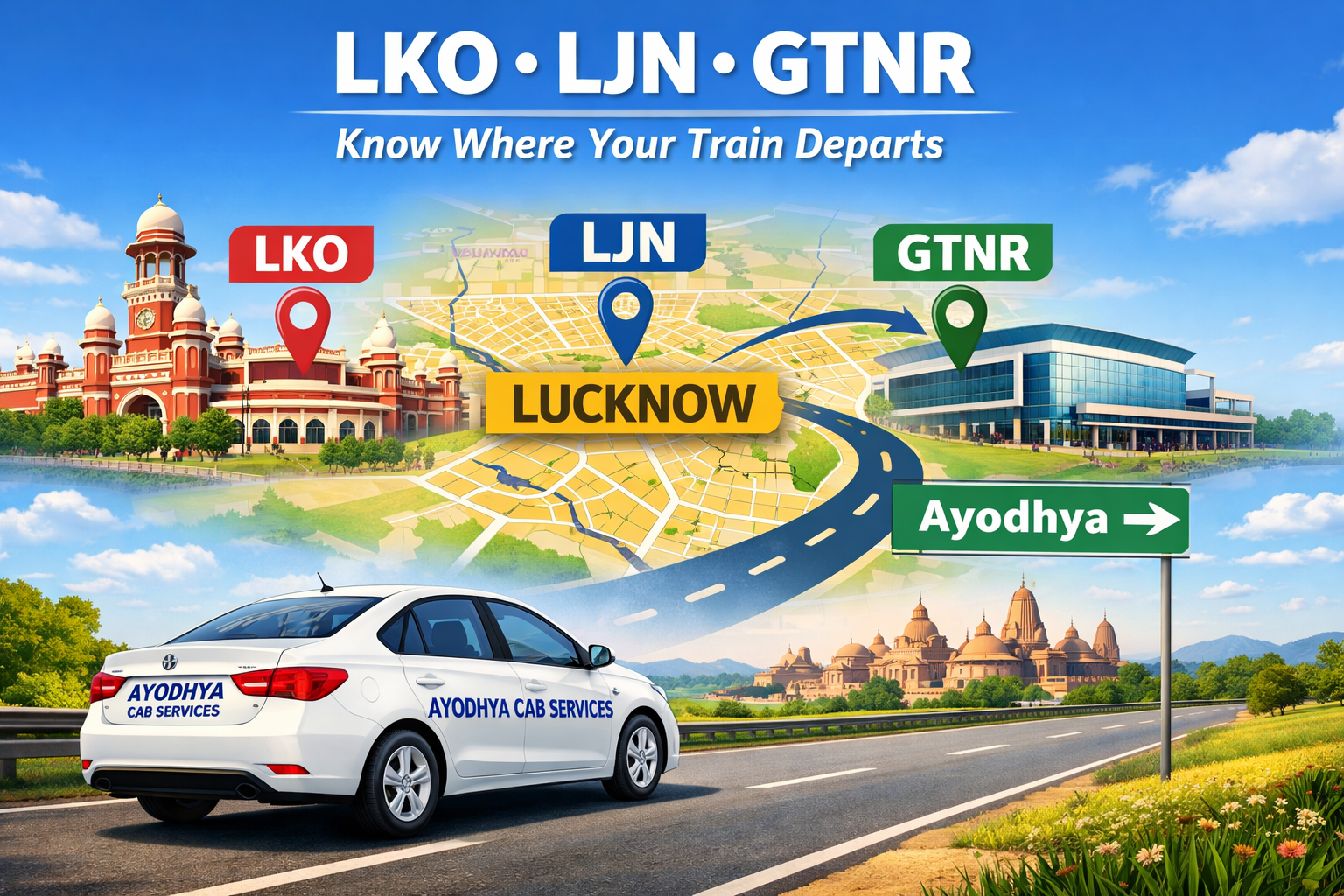
LKO, LJN & GTNR explained clearly so Ayodhya travelers know where their train departs
LKO LJN GTNR Difference Explained for Ayodhya Travelers
The LKO LJN GTNR difference mainly lies in location, train allocation, and passenger handling. While all three stations fall under Lucknow city, they serve different routes and zones. Therefore, assuming they are the same can lead to serious travel mistakes.
LKO is the primary station and handles the maximum number of long-distance trains. LJN operates selected routes, while GTNR serves newer and premium services. Because Ayodhya trains originate from all three at different times, checking the station code on your ticket becomes critical. AYODHYA CAB SERVICES strongly recommends confirming the station at least one day before departure.
What Is LKO (Lucknow Charbagh) and Why Most Ayodhya Trains Start Here
LKO, commonly known as Lucknow Charbagh, is the main railway hub of the city. It handles the highest passenger volume and most long-distance express trains. Consequently, many Ayodhya-bound trains depart from LKO.
This station is centrally located and well connected by metro, autos, and taxis. Because of this accessibility, most first-time travelers naturally reach Charbagh. However, not every train departs from here. AYODHYA CAB SERVICES often assists travelers who mistakenly arrive at LKO while their train departs from GTNR or LJN.
Understanding whether your ticket mentions LKO clearly helps avoid last-minute confusion.
What Is LJN (Lucknow Junction) and When Ayodhya Trains Use It
LJN, or Lucknow Junction, is smaller than LKO and is located near the Aishbagh area. It handles fewer trains, mostly regional and selected long-distance routes. Some late-night or special route trains to Ayodhya operate from this station.
Because LJN and LKO are geographically close, travelers often assume they are interchangeable. However, they are separate stations with different platforms and entry points. Missing this detail can cost valuable time. AYODHYA CAB SERVICES advises travelers to plan station-specific transport in advance, especially for night departures.
What Is GTNR (Gomti Nagar) and Why Premium Trains Use It
GTNR, or Gomti Nagar Railway Station, is a newer and modern station located in East Lucknow. It serves premium and newer train services, including select Vande Bharat and Amrit Bharat trains.
This station is far from Charbagh and LJN. Therefore, reaching GTNR requires careful planning. Many Ayodhya travelers miss trains because they arrive at the wrong station, assuming all Lucknow stations are connected internally. AYODHYA CAB SERVICES frequently provides direct cabs to GTNR for travelers who realize the mistake at the last moment.
🚆 Lucknow to Ayodhya Trains – Full Station-Wise Chart (LKO, LJN & GTNR)
| Train No | Train Name | From Station | Dep | To | Arr | Travel Time | Classes Available |
|---|---|---|---|---|---|---|---|
| 19165 | Sabarmati Exp | LKO | 01:10 | AY | 03:51 | 2h 41m | 2A, 3A, SL |
| 19167 | Sabarmati Exp | LKO | 01:10 | AY | 03:51 | 2h 41m | 2A, 3A, 3E, SL |
| 15116 | Lok Nayak Exp | LKO | 01:20 | AYC | 03:50 | 2h 30m | 1A, 2A, 3A, SL |
| 14854 | Marudhar Exp | LKO | 01:30 | AY | 04:11 | 2h 41m | 2A, 3A, 3E, SL |
| 14018 | Sadbhavna Exp | LKO | 02:25 | AY | 05:46 | 3h 21m | 1A, 2A, 3A, 3E, SL |
| 18104 | Jalianwala B Exp | LKO | 03:00 | AYC | 05:10 | 2h 10m | 2A, 3A, 3E, SL |
| 14206 | DLI FD Exp | LKO | 03:30 | AYC | 06:20 | 2h 50m | 1A, 2A, 3A, 3E, SL |
| 12226 | Kaifiyat Exp | ASH | 03:55 | AY | 06:53 | 2h 58m | 1A, 2A, 3A, SL |
| 15716 | Garib Nawaj Exp | LKO | 05:25 | AYC | 07:36 | 2h 11m | 1A, 3A, SL |
| 19321 | INDB RJPB Exp | LKO | 05:35 | AYC | 07:36 | 2h 01m | 2A, 3A, SL |
| 14650 | Saryuyamuna Exp | LKO | 06:10 | AY | 08:48 | 2h 38m | 1A, 2A, 3A, 3E, SL |
| 15934 | ASR DBRG Exp | LKO | 06:40 | AYC | 09:40 | 3h 00m | 1A, 2A, 3A, 3E, SL |
| 13238 | Kota PNBE Exp | LKO | 07:05 | AY | 09:36 | 2h 31m | 1A, 2A, 3A, 3E, SL |
| 15562 | Amrit Bharat Exp | GTNR | 08:15 | AY | 11:00 | 2h 45m | SL |
| 15744 | Farakka Exp | LKO | 08:25 | AY | 11:01 | 2h 36m | 2A, 3A, SL |
| 13010 | Doon Exp | LKO | 08:50 | AY | 11:26 | 2h 36m | 1A, 2A, 3A, SL |
| 13308 | Ganga Satluj Exp | LKO | 10:45 | AY | 14:12 | 3h 27m | 1A, 2A, 3A, 3E, SL |
| 22426 | Vande Bharat Exp | LKO | 12:40 | AYC | 14:30 | 1h 50m | EC, CC |
| 15024 | YPR GKP Exp | LKO | 13:20 | AY | 16:24 | 3h 04m | 1A, 2A, 3A, SL |
| 19053 | ST MFP Exp | LKO | 13:35 | AY | 16:58 | 3h 23m | 1A, 2A, 3A, SL |
| 19615 | Kavi Guru Exp | LKO | 13:35 | AY | 17:00 | 3h 25m | 2A, 3A, SL |
| 22490 | Vande Bharat Exp | LKO | 13:50 | AY | 15:46 | 1h 56m | EC, CC |
| 15623 | BGKT KYQ Exp | LKO | 14:30 | AYC | 16:25 | 1h 55m | 1A, 2A, 3A, SL |
| 22346 | Vande Bharat Exp | GTNR | 15:20 | AY | 17:15 | 1h 55m | EC, CC |
| 19201 | BVC AYC Exp | LKO | 15:45 | AYC | 18:30 | 2h 45m | 2A, 3A, 3E, SL |
| 13152 | Kolkata Exp | LKO | 17:10 | AY | 19:51 | 2h 41m | 2A, 3A, 3E, SL |
| 64216 | LKO–AYC MEMU | LKO | 17:20 | AYC | 21:10 | 3h 50m | Unreserved |
| 22550 | Vande Bharat Exp | LKO | 18:25 | AY | 20:26 | 2h 01m | EC, CC |
| 09465 | ADI DBG Spl | LKO | 18:30 | AYC | 20:31 | 2h 01m | 3A, SL |
| 13436 | Amrit Bharat Exp | GTNR | 18:40 | AY | 20:51 | 2h 11m | SL |
| 15084 | Utsarg Exp | ASH | 19:40 | AY | 22:56 | 3h 16m | 1A, 2A, 3A, 3E, SL |
| 15026 | ANVT MAU Exp | LKO | 21:00 | AYC | 23:43 | 2h 43m | 1A, 2A, 3A, 3E, SL |
| 15054 | LJN CPR Exp | LJN | 21:00 | AY | 01:22 | 4h 22m | 2A, 3A, SL |
| 15635 | Guwahati Exp | LKO | 21:00 | AYC | 23:45 | 2h 45m | 2A, 3A, SL |
| 15667 | Kamakhya Exp | LKO | 21:00 | AYC | 23:45 | 2h 45m | 1A, 2A, 3A, SL |
| 14236 | BE BSB Exp | LKO | 22:00 | AY | 01:31 | 3h 31m | 1A, 2A, 3A, SL |
| 15558 | Amrit Bharat Exp | LKO | 22:15 | AY | 01:05 | 2h 50m | SL |
LKO LJN GTNR Difference Based on Location Inside Lucknow
The LKO LJN GTNR difference becomes clear when you understand their physical locations inside Lucknow city. Although all three stations fall under the Lucknow railway network, they are situated in different zones. Therefore, reaching the wrong station can cost valuable time.
LKO, also known as Charbagh, lies in central Lucknow and connects well with metro, autos, and buses. In contrast, LJN is located near the Aishbagh area and is slightly away from the main transit flow. Meanwhile, GTNR is positioned in East Lucknow, close to Gomti Nagar and nearby residential hubs.
Because of this distance gap, travelers going to Ayodhya must plan transport carefully. AYODHYA CAB SERVICES regularly assists travelers who realize late that their train departs from GTNR instead of LKO. Hence, checking the station code before leaving home avoids unnecessary stress.
LKO LJN GTNR Difference for Ayodhya Train Connectivity
Understanding the LKO LJN GTNR difference is crucial when booking trains for Ayodhya. Not every train to Ayodhya departs from the same station. Therefore, assuming Charbagh as the default option often leads to confusion.
Most express and long-distance trains operate from LKO. However, premium services like Vande Bharat and Amrit Bharat frequently start from GTNR. On the other hand, a limited number of late-night or regional trains originate from LJN.
Because Ayodhya is a major travel destination, railway authorities distribute trains across multiple stations to manage traffic. AYODHYA CAB SERVICES advises travelers to check both the train number and station code together. This simple step helps ensure a smooth journey without last-minute station changes.
LKO LJN GTNR Difference for First-Time Ayodhya Travelers
First-time travelers often struggle to understand the LKO LJN GTNR difference because all tickets mention “Lucknow” as the city. However, each station has its own entry, platforms, and access routes.
For newcomers, LKO feels familiar due to its size and connectivity. Meanwhile, GTNR appears modern but is far from the city center. LJN, although smaller, serves specific routes and cannot be ignored.
Because first-time travelers are unfamiliar with local geography, they often reach the wrong station. AYODHYA CAB SERVICES frequently receives urgent calls from travelers who miss their train by minutes. Planning station-specific transport in advance eliminates this risk.
LKO LJN GTNR Difference in Terms of Passenger Facilities
The LKO LJN GTNR difference also reflects in passenger facilities and infrastructure. Each station offers a different experience depending on traffic volume and service type.
LKO provides the widest range of amenities, including waiting halls, food courts, cloakrooms, and metro access. GTNR focuses on modern design, cleaner platforms, and smoother boarding for premium trains. In comparison, LJN offers basic facilities suitable for shorter halts.
Because facilities vary, choosing the correct station matters for comfort, especially for elderly passengers and families. AYODHYA CAB SERVICES often recommends GTNR for travelers boarding premium trains, while LKO suits long-distance journeys better.
LKO LJN GTNR Difference and Why Travelers Miss Trains
The biggest reason travelers miss trains is misunderstanding the LKO LJN GTNR difference. Many people reach Charbagh assuming all Lucknow trains depart from there. Unfortunately, this assumption proves costly.
Traffic conditions, station distance, and last-minute realization create panic. By the time travelers arrange transport, the train has already departed. AYODHYA CAB SERVICES has handled numerous emergency transfers, but prevention remains the best solution.
Therefore, travelers should always recheck the departure station one day before travel. Planning early ensures you reach the correct platform without rushing.
Which Lucknow Station Is Best for Ayodhya Travelers
Choosing the right station becomes easier once you understand the lko ljn gtnr difference clearly. For Ayodhya travelers, the best station depends on train type, timing, and location convenience. Therefore, knowing this in advance saves time and effort.
Most Ayodhya-bound trains depart from LKO, making it the preferred choice for many travelers. LKO offers better connectivity, easier access, and more frequent services. However, premium trains like Vande Bharat often start from GTNR. LJN serves fewer Ayodhya trains, mostly at night.
Because travelers often assume Charbagh by default, mistakes happen. AYODHYA CAB SERVICES recommends checking your ticket carefully and choosing transport based on the exact departure station. This approach ensures a stress-free start to your Ayodhya journey.
LKO LJN GTNR Difference Based on Distance From City Areas
The lko ljn gtnr difference becomes more practical when distance from key city areas is considered. Each station lies in a different part of Lucknow, affecting travel time and planning.
LKO is centrally located and well connected with metro routes. GTNR lies in East Lucknow and requires additional travel time from central areas. LJN sits near Aishbagh and is relatively closer to old city regions. Because traffic conditions vary, choosing the wrong station can delay arrival significantly.
For travelers heading to Ayodhya, distance plays a crucial role, especially during peak hours. AYODHYA CAB SERVICES provides direct cab support to all three stations, helping travelers reach the correct station on time without confusion.
LKO LJN GTNR Difference for Morning and Night Trains
Understanding the lko ljn gtnr difference also helps when selecting morning or night trains to Ayodhya. Train schedules vary across stations, which affects comfort and convenience.
Early morning and daytime trains mostly depart from LKO and GTNR. Meanwhile, some night trains originate from LJN. Because night travel requires precise timing, reaching the wrong station becomes risky.
Travelers with early departures should plan transport a day in advance. AYODHYA CAB SERVICES often assists night travelers who prefer pre-booked cabs to avoid last-minute delays. This planning ensures safe and timely arrival at the correct station.
LKO LJN GTNR Difference for Families and Senior Travelers
The lko ljn gtnr difference matters even more for families and senior travelers. Comfort, accessibility, and facilities influence station choice significantly.
LKO offers better seating areas, lifts, and food options. GTNR provides cleaner platforms and smoother boarding for premium trains. LJN, although smaller, is quieter and less crowded. Because elderly travelers prefer minimal movement, choosing the nearest suitable station helps.
Families traveling to Ayodhya should consider station facilities along with train type. AYODHYA CAB SERVICES recommends station-specific planning to ensure comfort, especially for travelers with luggage or mobility concerns.
LKO LJN GTNR Difference and Common Booking Mistakes
Most booking mistakes happen because travelers ignore the lko ljn gtnr difference during ticket confirmation. Many focus only on date and time, overlooking the station code.
As a result, travelers arrive at the wrong location and panic sets in. Traffic, distance, and lack of transport worsen the situation. AYODHYA CAB SERVICES regularly receives emergency calls from travelers facing this issue.
To avoid such mistakes, always cross-check the departure station, train number, and location map before travel. This simple habit prevents unnecessary stress and ensures a smooth journey to Ayodhya.
Station-Wise Comparison for Ayodhya Travelers
The lko ljn gtnr difference becomes very clear when stations are compared side by side for Ayodhya travel. Each station serves a different type of traveler. Therefore, choosing wisely improves comfort and timing.
LKO suits travelers who want maximum train options and easy city connectivity. GTNR works best for those boarding premium or selected express trains and living in East Lucknow. LJN is suitable for travelers who live nearby or have late-night departures.
Because every traveler’s situation is different, there is no single “best” station for everyone. AYODHYA CAB SERVICES helps travelers decide based on train timing, location, and traffic conditions. This comparison prevents confusion and ensures timely arrival.
LKO LJN GTNR Difference for Last-Mile Travel Planning
The lko ljn gtnr difference plays an important role in last-mile travel planning. Reaching the correct station on time depends on distance, traffic flow, and transport availability.
LKO benefits from metro connectivity and frequent public transport. GTNR requires road-based travel and more planning, especially during peak hours. LJN, while closer to older city areas, may not have frequent late-night transport options.
Because last-mile delays are common, advance planning is essential. AYODHYA CAB SERVICES offers scheduled cab pickups to all three stations, helping travelers avoid last-minute rush. Planning transport in advance ensures peace of mind before starting the Ayodhya journey.
LKO LJN GTNR Difference for Return Journeys from Ayodhya
Many travelers focus only on departure but ignore the lko ljn gtnr difference during return journeys. However, return planning is equally important.
Trains from Ayodhya may arrive at a different Lucknow station than expected. Some travelers return to GTNR while their accommodation is near Charbagh. This mismatch creates confusion and extra travel.
To avoid this issue, always check the arrival station before booking return tickets. AYODHYA CAB SERVICES regularly assists travelers arriving late at night or early morning. Proper return planning saves time and reduces fatigue after a long journey.
LKO LJN GTNR Difference During Festival and Peak Travel Days
The lko ljn gtnr difference becomes more noticeable during festivals and peak travel periods. Passenger volume increases sharply, and station crowding affects movement.
LKO experiences heavy crowds during peak days. GTNR manages premium traffic more smoothly but has limited access points. LJN remains less crowded but offers fewer services. Because crowd behavior changes during peak periods, station choice becomes critical.
Travelers heading to Ayodhya during busy times should plan extra buffer time. AYODHYA CAB SERVICES recommends early arrival at the correct station to avoid delays caused by crowd control and traffic diversions.
LKO LJN GTNR Difference and How to Avoid Travel Stress
Understanding the lko ljn gtnr difference helps travelers avoid unnecessary stress. Confusion usually arises from assumptions rather than lack of information.
By checking the station code, planning transport, and allowing buffer time, most problems disappear. AYODHYA CAB SERVICES encourages travelers to treat station selection as an important step, not a minor detail.
Stress-free travel begins with correct planning. When travelers reach the right station on time, the entire journey to Ayodhya becomes smooth and enjoyable.

